Macktown Construction Group design-build logo


Why Remodeling Prices Vary: Design-First vs. Traditional

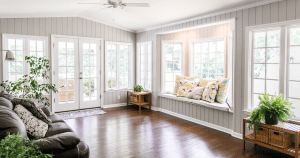
A bright sunroom with expansive windows framing fall foliage, featuring white shiplap walls, exposed wooden beams, and comfortable seating arranged around a wooden coffee table.

One of the first surprises homeowners encounter when exploring a remodel is how differently contractors estimate and plan their projects. Two bids for what seems like the same scope can vary by thousands of dollars, leaving you wondering which direction is “right” — or whether you’re missing something.

You’re not alone.
Price differences are one of the most confusing parts of the remodeling world.

The truth is this:
Most of those differences come down to the planning process — not the materials, and not the quality of construction.

At Macktown Construction Group, we believe in helping homeowners understand what goes into a remodel long before they sign anything. This guide breaks down the two most common approaches you’ll encounter: Traditional Contracting and Design-First Planning. Both exist for a reason — but they create very different experiences, price structures, and expectations.

Traditional Contracting: Broad Estimates Early, Details Later

This is the most familiar approach for homeowners, and it’s often what leads to early sticker shock, revisions, or confusion down the road.

How it typically works:

  • You meet with a contractor
  • They take general measurements
  • You talk through rough ideas
  • They provide a broad, high-level estimate
  • Some selections are made later
  • “Allowances” are used to fill in gaps
  • Final numbers are clarified during or after construction starts


What homeowners often experience:

  • An estimate that looks competitive early on
  • Price changes once materials are chosen
  • Confusion about what’s included
  • Delays when details weren’t defined upfront
  • Change orders when selections exceed allowances


It’s not a wrong approach — it’s simply designed to build as details unfold, which naturally brings more variability.

Design-First Planning: Clarity Before Construction

This is the approach we use at Macktown Construction Group because it prioritizes clarity, confidence, and predictability.


How it works:

  • You begin with a structured design phase
  • Layouts, selections, and materials are chosen early
  • You see the space in renderings before anything is built
  • Trade partners bid on exact specifications
  • You receive a fixed-price proposal based on real details
  • Construction begins only after everything is mapped out


What homeowners often experience:

  • Full visibility into design and function
  • Realistic pricing grounded in exact choices
  • Fewer surprises
  • Faster, smoother construction
  • Less pressure during the build
  • A predictable experience that protects budget and timeline


This approach requires more work upfront, but it offers something invaluable: clarity before you commit.

Why Prices Can Look So Different Between Contractors

When comparing bids, it’s easy to assume everything is apples-to-apples. In reality, you’re often comparing two different planning philosophies.


Here’s what usually creates the biggest differences:


A. What’s Included (or Not Included)

Some bids include:

  • Full design services
  • Detailed drawings
  • Renderings
  • Early selections
  • Trade-partner pricing
  • Project management clarity
  • Daily communication software (like Buildertrend)


Others may not — which makes their initial number look lower, but less complete.

B. Allowances vs. Exact Costs

Allowances are placeholders.
Design-first pricing uses real selections.

Allowances often lead to surprises.
Design-first leads to certainty.

C. How Much Planning Happens Before You Sign

Traditional contracting: planning happens later.
Design-first: planning happens first.

This alone changes the entire cost picture.

D. The Level of Craftsmanship & Team Involved

Employee teams, trade partners, jobsite management, and design collaboration all shape the price— and the outcome.

Quality costs more upfront, but prevents stress later.

What Matters Most: Choosing a Process That Matches Your Comfort Level

You don’t have to know every detail of your future project.

You just need to understand which approach aligns with your personality and the kind of experience you want.

Ask yourself:

  • Do I want clarity early?
  • Do I want to see the space before building?
  • Do I want predictable pricing?
  • Do I prefer detailed planning or flexibility?
  • Does timeline certainty matter to me?
  • How much support do I want during decision-making?


Your comfort level should guide your choice — not just the number on the page.

The Heart of the Difference: Clarity vs. Guesswork

A remodel is one of the biggest investments you’ll make in your home.

Feeling confident and informed should never be optional.

The design-first approach isn’t about being fancy or elaborate.

It’s about helping homeowners avoid:

  • rushed decisions
  • unclear estimates
  • unexpected change orders
  • misaligned expectations
  • stressful timelines


And instead helping you gain:

  • visibility
  • certainty
  • thoughtful planning
  • smoother construction
  • a final result you feel proud of

You Deserve Confidence, Not Confusion

Whether you eventually remodel with Macktown Construction Group or someone else, we want you to feel empowered during the process.

Understanding how planning affects pricing is one of the strongest steps you can take toward a remodel that feels calm, clear, and aligned with your goals.

Whenever you’re ready to explore your options or understand how design-first planning could support your home, we’re here to guide you with clarity and care — no pressure, no rush, just honest information.